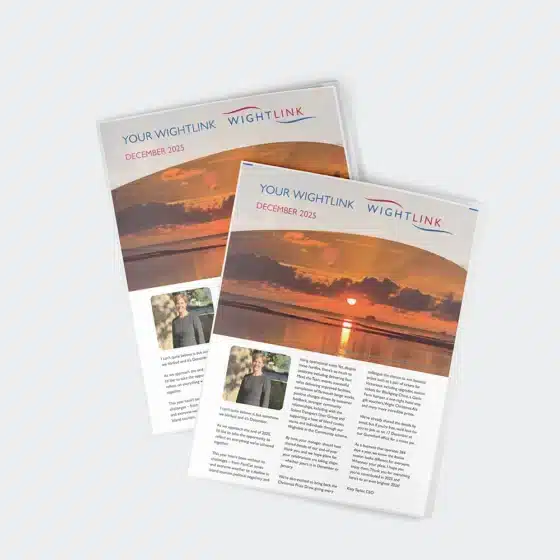
Brochure Printing for businesses that need clear, professional marketing in print. From folded formats to stitched and bound booklets, our brochure printing services are built for trade buyers who value consistency, colour accuracy and reliable delivery. Choose affordable brochure printing for short runs or larger quantities, with full support from file check to dispatch. Ideal for brochures for business, catalogues and customer-facing sales material.
Showing all 3 results
Brochure Printing remains one of the most effective ways to present your business, products, or services in a format customers can keep, browse, and return to. Whether you’re producing sales collateral, event handouts, catalogues, or corporate literature, professionally printed brochures give structure and credibility to your message in a way digital channels often can’t match.
At Eazy Print, we produce brochures for business customers who need reliable quality, clear pricing, and delivery that fits real-world deadlines. With everything produced under one roof in Hampshire, we control the entire process from file check through to dispatch, ensuring consistency and dependable results on every order.
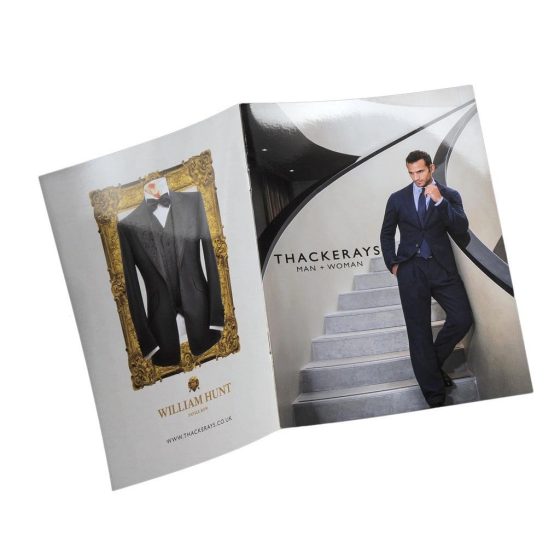
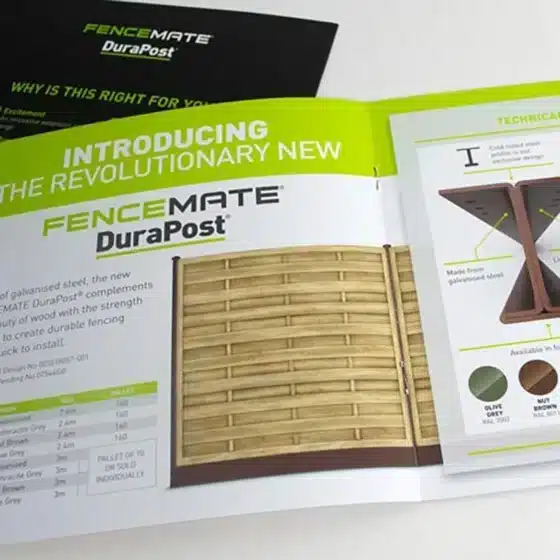
Choosing the right format is about how the brochure will be used. Folded designs are ideal for concise messaging, price lists, or takeaway marketing. For content-heavy material, booklet-style production provides a more substantial feel that works well for product ranges, corporate profiles, and catalogues.
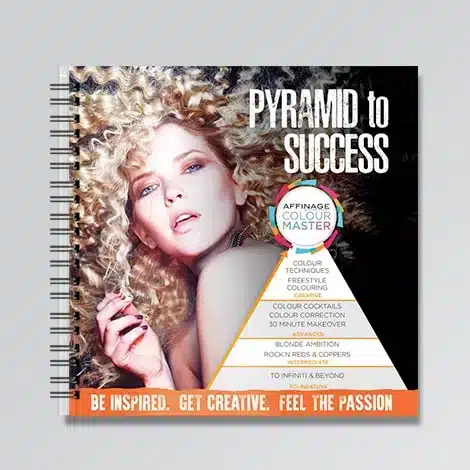
We produce saddle stitched brochures for shorter page counts that need to open flat and read easily, as well as perfect bound brochures where a square spine and more durable finish are required. Each option is produced with careful attention to trimming, pagination, and alignment, ensuring your finished brochures look professional and consistent throughout the run.
For marketing materials, colour matters. Logos, photography, and brand colours need to reproduce accurately across every page and every copy. Our full colour brochure printing is handled using calibrated equipment and experienced operators who understand how artwork translates from screen to print.
Before production, files are checked by our team as standard. This helps avoid issues with bleed, resolution, or colour setup that could compromise the final result. It’s part of our service, not an added cost, and it helps ensure brochures are right first time.
Not every project requires thousands of copies. Many customers need short run brochures for targeted campaigns, events, or internal use. Digital production allows us to produce smaller quantities efficiently, without sacrificing quality or clarity.
For repeat orders or larger campaigns, litho printing offers excellent unit costs and consistency across higher volumes. Because we handle both processes in-house, we can advise on the most suitable option based on quantity, turnaround, and budget — not on what we outsource or resell.
Budget control matters, particularly when brochures are part of a wider campaign. Our pricing is transparent, with no hidden charges added at checkout. File checking, packaging, and delivery are included, so the price you see is the price you pay.
This approach makes our affordable brochure printing particularly popular with marketing teams, SMEs, and trade buyers who need predictable costs and dependable supply. There’s no need to factor in surprise delivery fees or last-minute extras.
Business brochures need to work hard. They must communicate clearly, feel credible in the hand, and stand up to repeated use. Paper stocks, finishes, and binding choices all contribute to how your business is perceived.
We print brochures for business use across a wide range of sectors, from professional services and retail to education, events, and manufacturing. If you’re ordering alongside other materials such as flyers, catalogues, or point-of-sale items, we can align finishes and colour profiles for a consistent brand presentation.
With over 30 years’ experience as Southampton printers serving customers across the UK, Eazy Print combines modern equipment with a skilled production team. Digital, litho, and finishing all take place under one roof, allowing us to manage quality and timescales without relying on third parties.
This setup means tighter quality control, faster issue resolution, and a smoother experience from order to delivery. It also supports faster turnaround brochures when deadlines are tight, without compromising print standards.
Brochures are often ordered to meet a launch, event, or campaign deadline. We build delivery into our process from the outset, ensuring schedules are realistic and achievable. Free UK delivery is included, and because production is managed in-house, we’re able to give accurate lead times rather than estimates.
While some brochure makers simply upload and print files, we take a more involved approach. Our team is available to advise on formats, pagination, and production choices if needed, helping you avoid costly mistakes and get the most from your print budget.
Whether you’re ordering a one-off run or managing ongoing campaigns, our brochure printing services are designed to support real commercial needs — combining quality, speed, and value without unnecessary complexity.
Brochures are still the workhorse marketing tool for corporate sales, product showcases, and detailed services. This FAQ covers binding choices, page counts, sizing, and design.